
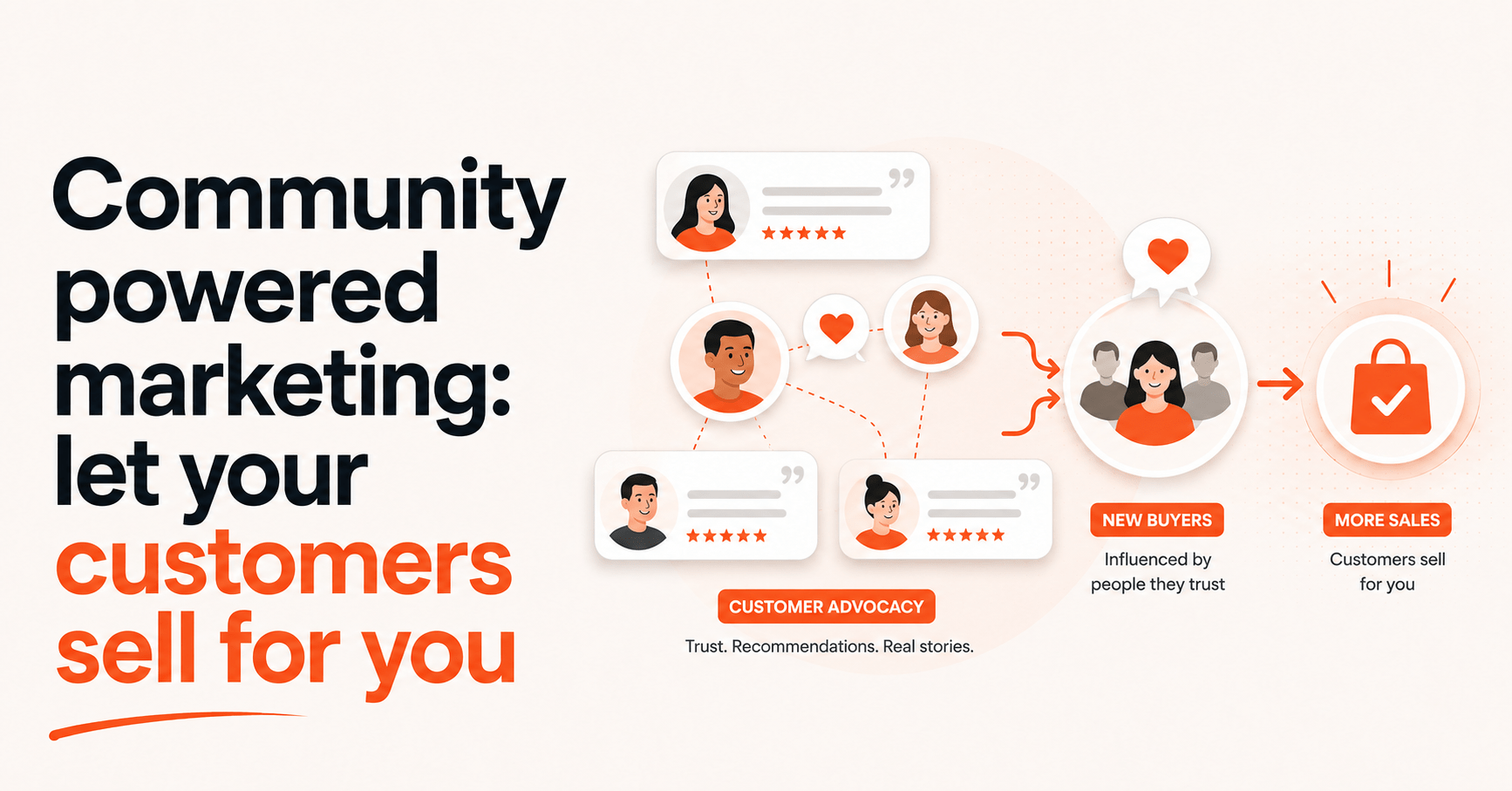
The most persuasive marketing message for your brand isn’t something you can create—it’s something your customers say about you when you’re not in the room.
That’s the promise of community powered marketing: building trust so effectively that your customers become voluntary advocates, recommending you to strangers without any prompting or compensation. When this happens, your marketing scales in ways that advertising never can.
But most brands fundamentally misunderstand how to make this happen. They think community powered marketing means asking customers to promote them. It doesn’t. It means earning recommendations through genuine value.
Why Customer Advocacy Matters More Than Ever
Consumer skepticism has reached historic levels. People don’t trust advertisements. They don’t believe brand claims. They discount influencer recommendations (too many are paid). They’re suspicious of reviews (too many are fake).
What do they trust? Unprompted recommendations from peers with no apparent commercial motivation.
When someone in a Reddit thread asks “what CRM should I use?” and a random community member says “I’ve used X for two years and it’s been great for my situation because…” that recommendation carries enormous weight. It feels authentic because it is authentic.
This type of advocacy is what community powered marketing aims to generate. Not paid endorsements. Not ambassador programs. Genuine recommendations from people who like your product enough to volunteer their opinion.
The Trust Hierarchy
Not all recommendations carry equal weight. There’s a hierarchy:
Highest trust: Unprompted peer recommendation in a community context. Someone volunteering a helpful opinion with no apparent benefit to themselves.
High trust: Response to a direct question from someone with relevant experience. “I had that problem and here’s what worked for me.”
Medium trust: Expert or professional recommendation. Credible, but always a question of potential bias or compensation.
Lower trust: Influencer recommendations. Assumed to be compensated even when they’re not.
Lowest trust: Brand advertising. Obvious commercial interest destroys credibility.
Community powered marketing operates at the top of this hierarchy. When your customers recommend you unprompted, you’re benefiting from the highest level of trust available in modern marketing.
How Advocacy Actually Develops
Customer advocacy isn’t something you can manufacture or demand. It emerges naturally when certain conditions are met:
They Had a Genuinely Good Experience
This seems obvious but gets overlooked. Advocacy starts with a product or service that actually delivers. If customers don’t genuinely believe you solve their problem better than alternatives, they won’t recommend you—no matter how good your marketing is.
Fix product quality and customer experience before investing in community marketing. Community powered marketing amplifies reality—if that reality is negative, amplification works against you.
They Feel Connected to Your Brand
Customers advocate for brands they feel emotionally connected to. This connection develops through experiences that make them feel valued, understood, or part of something meaningful.
How you handle problems matters as much as how you deliver when everything goes right. A customer whose complaint was handled gracefully often becomes a stronger advocate than one who never had a problem.
They Want to Help Others
Most advocacy isn’t really about promoting your brand—it’s about helping other people. Customers recommend you because they want to help someone solve a problem, and your product is genuinely the best solution they know.
This means advocacy happens most frequently in contexts where people are asking for help: Reddit threads, forums, conversations with friends facing similar challenges.
They Don’t Feel Used
The moment customers feel like they’re being manipulated into promoting your brand, the magic dies. Ambassador programs, referral incentives, and requests for reviews can actually reduce genuine advocacy by making customers feel transactional.
The irony: the best way to generate advocacy is to never ask for it. Just deliver exceptional value and let human nature take its course.
Building the Foundation
Community powered marketing requires groundwork before advocacy emerges:
Be Present Where Recommendations Happen
Customers can’t recommend you in communities where they don’t participate. And their recommendations are most powerful when they’re responding to someone actively seeking advice.
This means building your own presence in communities where purchase decisions are discussed. When you’re a recognized helpful presence, your product becomes more top-of-mind for community members when they’re recommending solutions.
Make Recommendation Easy
Sometimes customers want to recommend you but don’t have the right information readily available. Make sure your product’s benefits, use cases, and differentiators are clearly communicated so customers can articulate why you’re good for specific situations.
This isn’t about providing marketing messages for them to parrot. It’s about ensuring they understand your product well enough to make accurate, helpful recommendations.
Respond to Mentions
When customers do mention you in communities, engage with them. Thank them genuinely (not with corporate-speak). Answer any follow-up questions. Provide additional helpful information.
This engagement does two things: it reinforces the recommender’s positive feelings about your brand, and it shows others that you’re present and responsive in the community.
Never Manufacture Fake Advocacy
The temptation to seed communities with fake recommendations is strong, especially when starting out. Resist it completely.
Fake advocacy gets detected. Communities have seen every manipulation tactic. When you’re caught, the damage extends far beyond that specific incident—you become known as a brand that lies, and recovery is nearly impossible.
Real advocacy takes longer to develop but creates sustainable competitive advantage. Fake advocacy creates risk and eventual reputation damage.
The Multiplier Effect
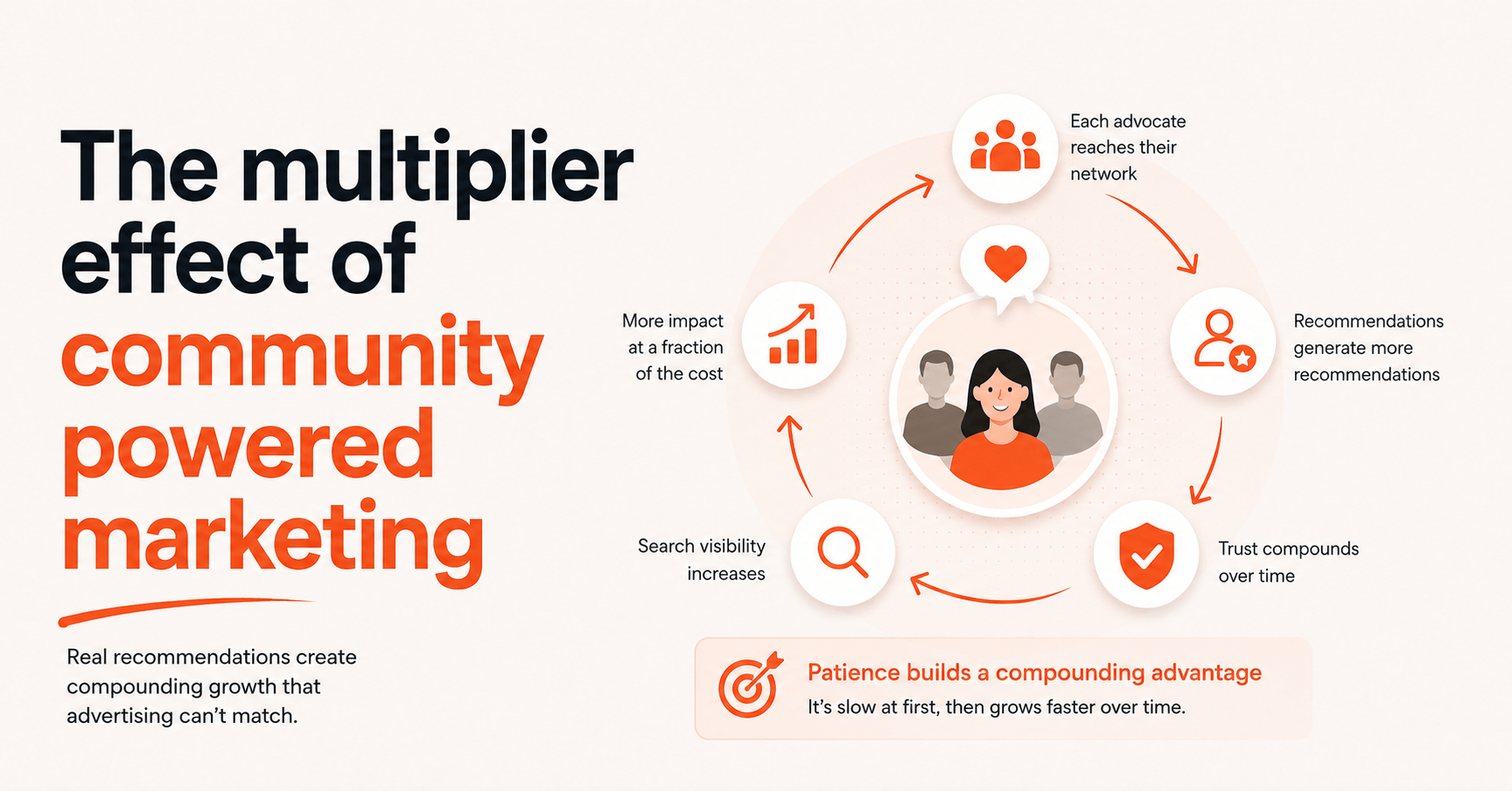
Community powered marketing creates a multiplier effect that advertising can never achieve:
Each advocate reaches their entire network. When a customer recommends you, they’re reaching people you never could have targeted—their friends, their community connections, their social circles.
Recommendations generate more recommendations. When someone tries your product based on a recommendation and has a good experience, they become a potential advocate themselves.
Trust compounds over time. As more positive mentions accumulate in communities, the social proof becomes overwhelming. New customers arrive already trusting you because they’ve seen consistent positive sentiment.
Search visibility increases. Reddit threads and forum discussions mentioning your brand positively rank on Google. Your advocates are effectively building your SEO presence.
This multiplier effect means that community powered marketing can eventually generate more impact than advertising at a fraction of the cost. But it requires patience—the multiplier takes time to build.
The Patience Problem
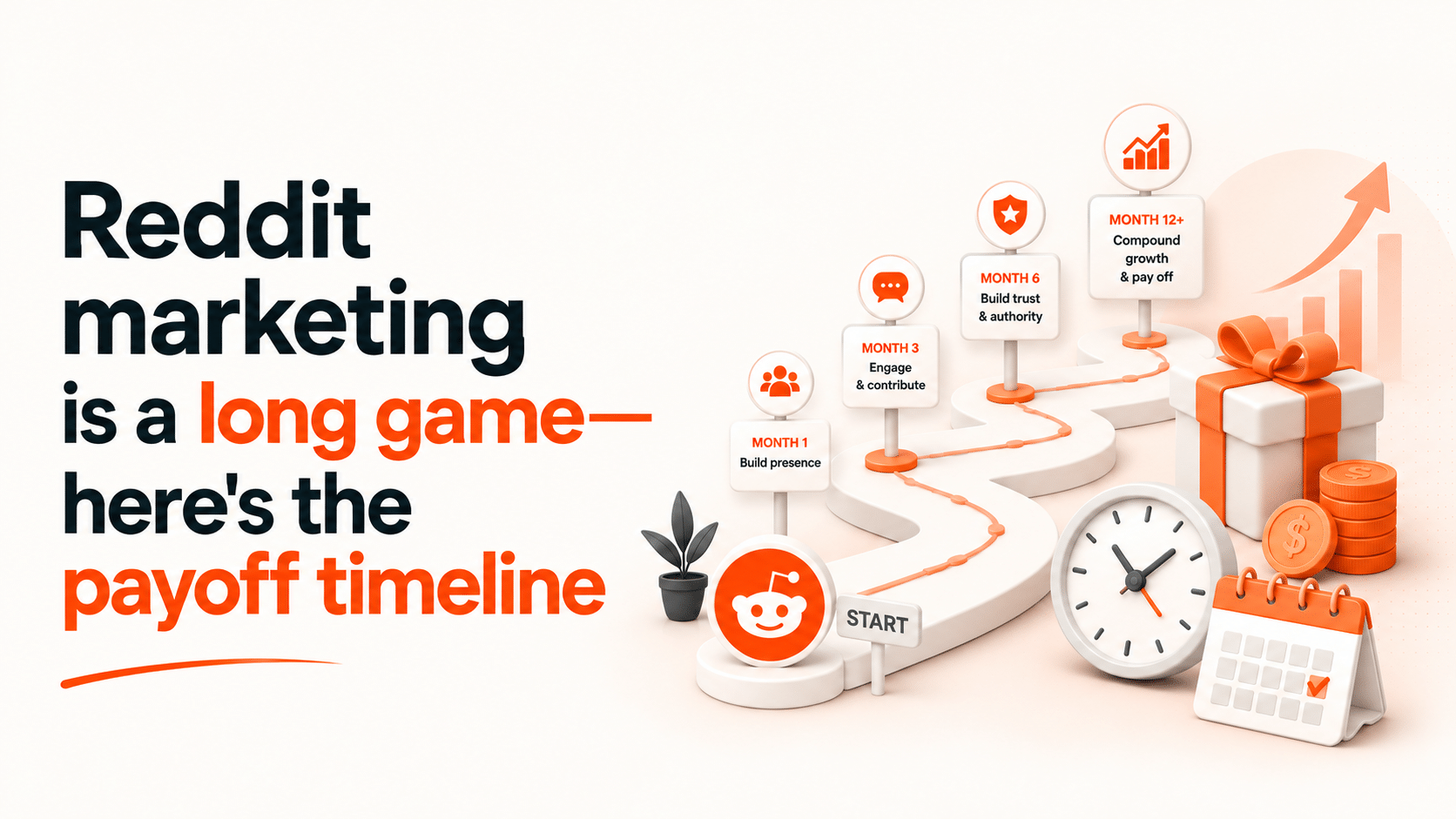
Here’s the hard truth: community powered marketing takes time. A lot of time.
You can’t launch advocacy like you launch an ad campaign. It emerges gradually as more customers have positive experiences, develop connections with your brand, and encounter contexts where recommendation is natural.
Most brands give up before reaching the payoff. They invest for a few months, don’t see immediate advocacy at scale, and conclude the strategy doesn’t work.
The brands that succeed commit for the long term. They understand they’re building something that compounds—slowly at first, then increasingly rapidly. They measure leading indicators (customer satisfaction, community sentiment, mention frequency) rather than demanding immediate advocacy volume.
What Success Looks Like
When community powered marketing is working:
- You regularly discover positive mentions you didn’t initiate or know about
- Community members recommend you in threads where you haven’t participated
- New customers frequently mention they came based on a friend’s recommendation
- Your brand sentiment in communities is consistently positive
- Customers defend your brand when criticism arises without being asked
- Search results for your category show positive Reddit discussions featuring your brand
This level of advocacy takes years to build but creates defensible competitive advantage. A competitor can match your advertising spend overnight—they can’t match years of accumulated customer trust and community advocacy.
Ready to build marketing that scales through customer trust?
At Agence Paradis, community powered marketing is our specialty. We’ve spent over three years helping brands build the foundation for genuine customer advocacy in Reddit and online communities.
Our partners in the sleep and health industries have generated over $10 million in additional revenue—not through advertising, but through earning the kind of trust that turns customers into advocates.
We’ll help you create the conditions for organic advocacy: community presence, customer connection, and the patience to let trust compound over time.
Get your free community audit at agenceparadis.com

Leave A Comment