
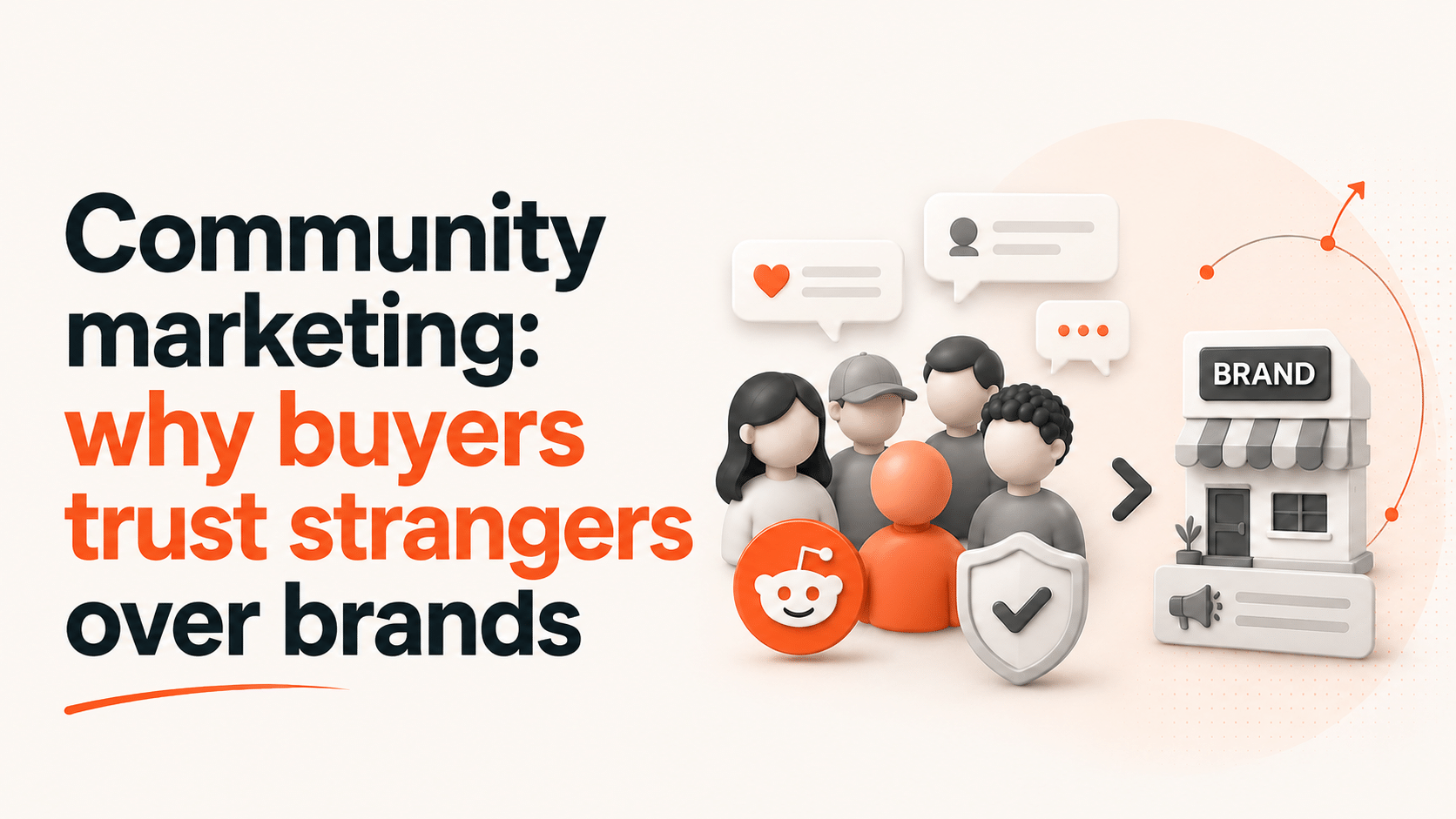
A recommendation from someone you’ve never met carries more weight than your best advertising. Understanding why this happens—and how to benefit from it—is the key to community marketing.
This isn’t a flaw in human reasoning. It’s a rational response to decades of manipulative marketing. Buyers have learned that brands lie, exaggerate, and spin. Strangers with no commercial interest have no reason to deceive.
Community marketing works by positioning your brand on the trusted side of this equation.
The Trust Asymmetry
Consumer trust operates on a clear hierarchy:
Highest trust: Personal friends and family with relevant experience
High trust: Strangers in communities with demonstrated expertise and no apparent commercial motivation
Moderate trust: Professional experts (with some skepticism about commercial influence)
Lower trust: Influencers and paid endorsements
Lowest trust: Brand advertising and promotional content
Notice where strangers in communities rank—above professional experts, above influencers, and far above brand messaging.
This hierarchy explains why a random Reddit comment saying “I bought X and it’s been great” outperforms million-dollar advertising campaigns.
Why Strangers Get Trust
Several factors make anonymous community members trustworthy:
No Obvious Motivation to Lie
Brand advertising has clear motivation: selling products. Influencer recommendations have clear motivation: getting paid. Expert endorsements have clear motivation: consulting fees, referral commissions, professional relationships.
Community members recommending products appear to have no motivation beyond helping someone solve a problem. This apparent absence of self-interest creates credibility.
Similarity and Relatability
Community members seem like peers rather than salespeople:
- They have similar problems
- They speak the same language
- They’re not trying to seem polished
- They share negative experiences too
This relatability creates identification: “That person is like me, so their experience probably applies to me too.”
Demonstrated Experience
Community recommendations typically include usage context:
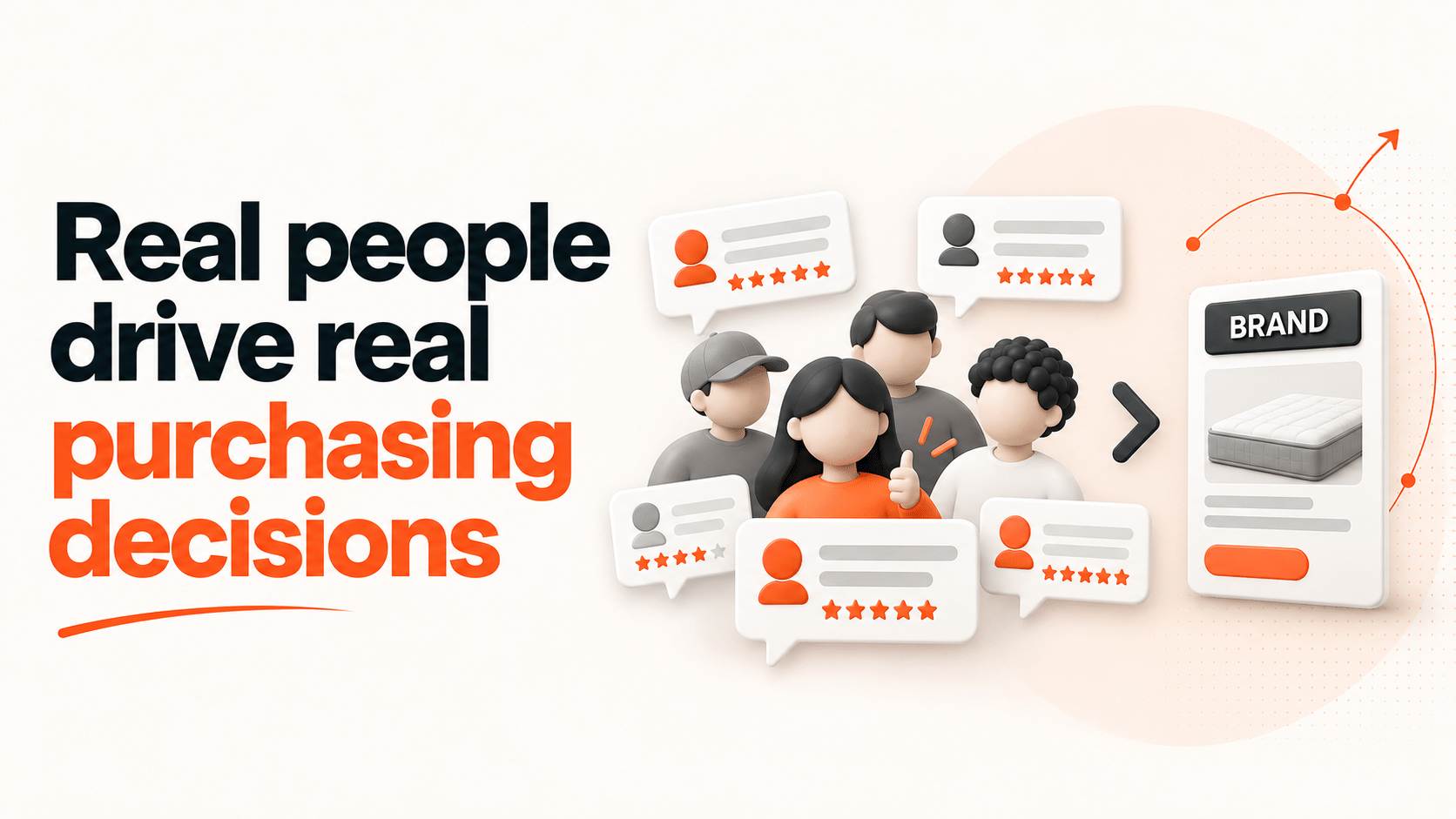
- “I’ve had this mattress for two years…”
- “After trying three different options…”
- “My situation was exactly like yours and…”
These details demonstrate actual experience rather than theoretical knowledge or marketing claims.
Risk of Social Sanction
Community members who give bad recommendations face consequences:
- Criticism from other members
- Lost reputation in the community
- Being called out if the recommendation fails
This social accountability creates incentive for honesty that brands don’t face (they just make new ads).
Collective Verification
Community recommendations get challenged, questioned, and verified by other members. Bad advice gets contradicted. Fake recommendations get exposed. What survives is tested.
This collective intelligence filtering makes surviving recommendations more trustworthy than any single source.
The Brand Credibility Problem
Brands face structural credibility deficits:
History of Deception
Consumers have experienced:
- Exaggerated claims that underdelivered
- Fine print that contradicted headlines
- Reviews that turned out to be fake
- Influencer relationships that weren’t disclosed
- Advertising that manipulated emotions
This history creates default skepticism toward any brand communication.
Obvious Self-Interest
Even honest brand messaging faces skepticism because the motivation is clear. “Of course they say their product is great—they’re trying to sell it.”
This skepticism applies even to true claims. The context undermines the message.
Polished Presentation
Professional marketing looks like professional marketing. The production value itself signals “this is advertising” and triggers defensive responses.
Rough, authentic communication from community members bypasses these defenses precisely because it doesn’t look professional.
How Community Marketing Bridges the Gap
Community marketing works by moving your brand from the distrusted category to the trusted category:
Associate With Trusted Voices
When trusted community members recommend your product, their trust transfers to you:
- Their endorsement carries their credibility
- Their experience becomes social proof
- Their reputation buffers against skepticism
You can’t buy this transfer—it has to be earned through genuinely satisfying customers who happen to be community members.
Become a Trusted Voice Yourself
By participating authentically in communities, you can become one of the trusted strangers:
- Demonstrate expertise through helpful contributions
- Show you care about people beyond sales
- Build track record of honest, balanced advice
- Earn community recognition as valuable member
This repositioning takes months or years, but it changes how your recommendations are received.
Enable Trust-Building Information Flow
Help potential customers access the community information they’re seeking:
- Be present where discussions happen
- Respond to questions with genuine helpfulness
- Let community validation happen naturally
- Don’t try to control the narrative
The goal isn’t to manipulate community trust—it’s to participate in the system that generates it.
Practical Application
How to leverage stranger trust in your marketing:
Monitor Community Discussions
Understand what people are saying about your category and your brand:
- Where do discussions happen?
- What questions get asked?
- How is your product perceived?
- Who are the trusted voices?
This intelligence informs everything else.
Participate Authentically
Join communities as a genuine member:
- Help people regardless of purchase intent
- Share expertise beyond your product
- Acknowledge your commercial interest transparently
- Earn reputation through sustained helpfulness
Deliver Products Worth Recommending
Community trust ultimately requires satisfied customers:
- Products that meet or exceed expectations
- Customer service that resolves problems
- Experiences that create genuine enthusiasm
No community marketing strategy overcomes poor product quality.
Don’t Try to Fake It
Attempts to manufacture community trust backfire:
- Fake reviews get exposed
- Astroturfing gets detected
- Vote manipulation gets caught
The consequences of getting caught exceed any short-term benefit.
Accept That You Can’t Control It
Community trust belongs to communities, not brands:
- You can influence discussions, not dictate them
- You can participate, not dominate
- You can earn trust, not demand it
Control-seeking approaches fail because they violate the conditions that create trust.
The Long View
Community trust develops over extended timeframes:
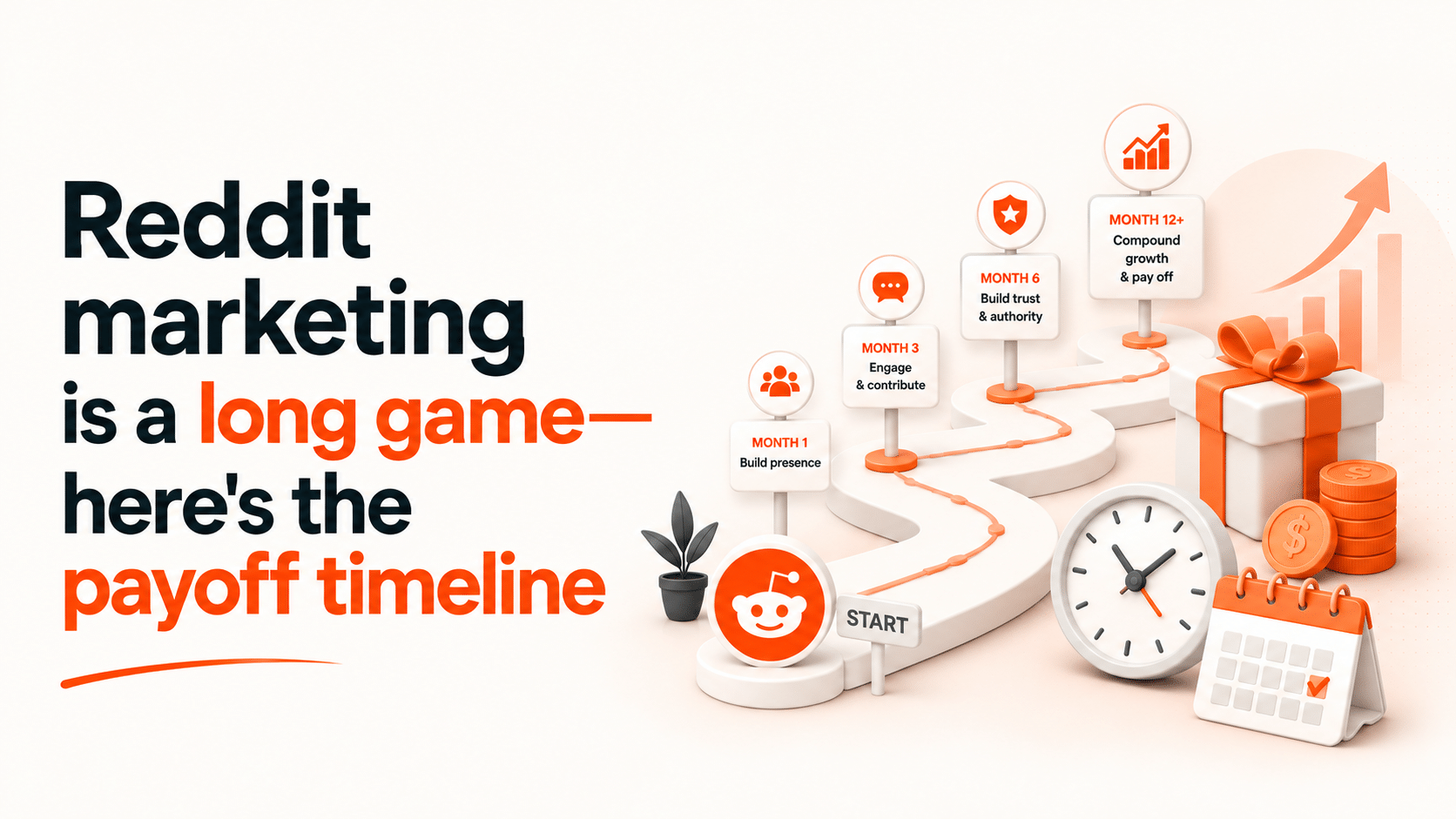
Year 1: Build presence. Become known as helpful. Begin earning recognition.
Year 2: Establish credibility. Your recommendations carry weight. Advocacy starts emerging.
Year 3+: Trusted position. Community members recommend you unprompted. Trust compounds.
This timeline is uncomfortable for marketers seeking quick results. But it builds something advertising can’t: genuine credibility with the strangers buyers actually trust.
Ready to earn the trust that advertising can’t buy?
At Agence Paradis, community marketing is our specialty—building brand credibility through authentic participation in spaces where buyers actually form opinions.
Our partners in the sleep and health industries have generated over $10 million in additional revenue by becoming trusted voices in communities rather than distrusted advertisers. We’ll help you develop the presence that earns stranger trust.
Get your free community trust assessment at agenceparadis.com

Leave A Comment