
Right now, someone is asking for a recommendation in an online community—and they’re about to buy whatever gets suggested.
This is the reality of how purchasing decisions happen in 2026. Buyers don’t trust advertisements. They don’t believe marketing claims. What they trust are recommendations from people in forums and communities who seem to have no agenda beyond being helpful.
The brands that understand this are building presence in these communities. The brands that don’t are invisible at the exact moment when buying decisions get made.
Where Buying Decisions Actually Happen
Think about the last significant purchase you researched. Chances are, at some point you searched something like “[product category] reddit” or visited a forum to see what real users recommended.
You’re not alone. More than 76% of internet users are active in online communities, engaging with forums, blogs, and discussion platforms. These aren’t passive browsers—they’re people actively seeking guidance before making decisions.
The conversations in these communities follow predictable patterns:
“What’s the best [product] for [specific use case]?” “Anyone have experience with [brand]? Worth it?” “[Brand A] vs [Brand B]—which should I choose?” “Looking for recommendations for [category]. Budget is [X].”
Every one of these threads represents someone ready to buy. They’re not in awareness mode—they’re in decision mode. The recommendation they receive often determines where their money goes.
Why Forums Matter More Than Ever
Forums and community discussions have gained importance for several reasons:
Google prioritizes community content. Reddit threads now regularly outrank traditional websites for product-related queries. Google’s “Discussions and Forums” feature specifically surfaces community content. When someone searches for recommendations, they often see community discussions before they see brand websites.
AI pulls from community discussions. ChatGPT, Perplexity, Claude, and other AI assistants frequently cite Reddit and forum discussions when answering product questions. Your brand’s presence in these conversations affects how AI recommends you—or doesn’t.
Trust in traditional media has collapsed. People don’t believe review sites (many are pay-to-play). They don’t trust influencers (many are paid promoters). They don’t believe brands (obvious bias). What they trust are seemingly random community members who appear to have no agenda.
The format encourages honest discussion. Forums allow for nuance that advertising doesn’t. Users share pros AND cons. They discuss edge cases and specific use scenarios. They call out problems and praise genuine quality. This depth builds trust that polished marketing cannot.
Mapping the Communities That Matter
The first step in community forum marketing is understanding where your potential customers actually gather. This isn’t always obvious.
Some communities are category-specific. If you sell cameras, r/photography and dedicated photography forums are obviously relevant. If you sell project management software, r/projectmanagement exists.
But the most valuable communities are often adjacent rather than category-specific. Your camera buyers might spend more time in r/videography or r/filmmakers. Your software customers might ask questions in r/startups or r/entrepreneur or industry-specific communities.
Finding these communities requires research:
Search Reddit for your product category. See which subreddits appear in results. Note where recommendation threads get the most engagement.
Search for competitor mentions. Where are people discussing your competitors? Those are communities where you should be present.
Look for problem-focused communities. People don’t always search for product categories. They search for solutions to problems. Find communities where people discuss the problems your product solves.
Check for industry-specific forums. Reddit isn’t the only community platform. Some industries have dedicated forums with highly engaged users. These often have less competition than Reddit.
Explore Discord servers. Many communities have moved to Discord. These can be harder to find but often have highly engaged, high-intent participants.
The goal is building a map of everywhere your potential customers might ask for recommendations—not just the obvious places.
Understanding Community Dynamics
Each community operates differently. What works in one forum fails completely in another.
Moderation styles vary. Some communities welcome brand participation. Others ban it completely. Some allow it only under specific conditions (self-promotion threads, specific flair, etc.). Know the rules before participating.
Cultures differ dramatically. Some communities appreciate detailed, professional responses. Others prefer casual, conversational tones. Some reward humor; others expect pure utility. Match your approach to the community culture.
Reputation systems matter. Reddit has karma. Forums often have post counts, reputation scores, or trust levels. These systems exist to surface credible contributors and filter spam. Your participation strategy should account for building status within each system.
Timing affects visibility. Posts and comments at peak activity times get more engagement. Understanding when each community is most active helps your contributions gain traction.
Existing dynamics shape reception. If a competitor has already established strong presence in a community, your entry requires more careful strategy. If a community has been burned by spammers before, they’ll be more skeptical of new participants.
Building Authentic Presence
Community forum marketing requires genuine participation, not disguised advertising. Here’s what that looks like:
Contribute before promoting. Spend weeks or months providing genuine value before any mention of your product. Answer questions. Share expertise. Build reputation as someone who adds to the community.
Be helpful even when your product isn’t the answer. If someone asks for a recommendation and your product isn’t right for their situation, say so. Recommend alternatives. This honesty builds trust that makes future recommendations more credible.
Acknowledge limitations. If your product has weaknesses, acknowledge them. Communities respect honesty far more than blind promotion. Users are going to discover limitations anyway—being upfront about them establishes credibility.
Engage in conversations beyond your category. Don’t only appear when product discussions happen. Participate in broader community discussions. This makes your presence feel genuine rather than commercial.
Build relationships. Over time, regular community members recognize consistent contributors. These relationships become valuable—respected community members advocating for your brand carry more weight than any advertising.
The Problems You’re Creating By Not Doing This
When you’re absent from community conversations, several things happen:
Your competitors own the narrative. Every recommendation thread where you’re not present is an opportunity for competitors to be recommended instead. They’re building trust while you’re invisible.
You lose the discovery moment. People asking questions in communities are often at the highest-intent phase of their buyer journey. If you’re not present when they’re deciding, you lose the opportunity to influence their choice.
You cede SEO ground. Community content increasingly ranks in search results. Absence from these communities means absence from these rankings.
You miss market intelligence. Communities are where people share honest opinions about products—including yours. Without presence in these conversations, you don’t know what customers actually think.
You can’t shape your reputation. People will discuss your brand whether you’re present or not. Without community presence, you have no ability to address criticism, correct misinformation, or highlight your strengths.
Getting Started
Effective community forum marketing requires investment, but you can start with manageable steps:
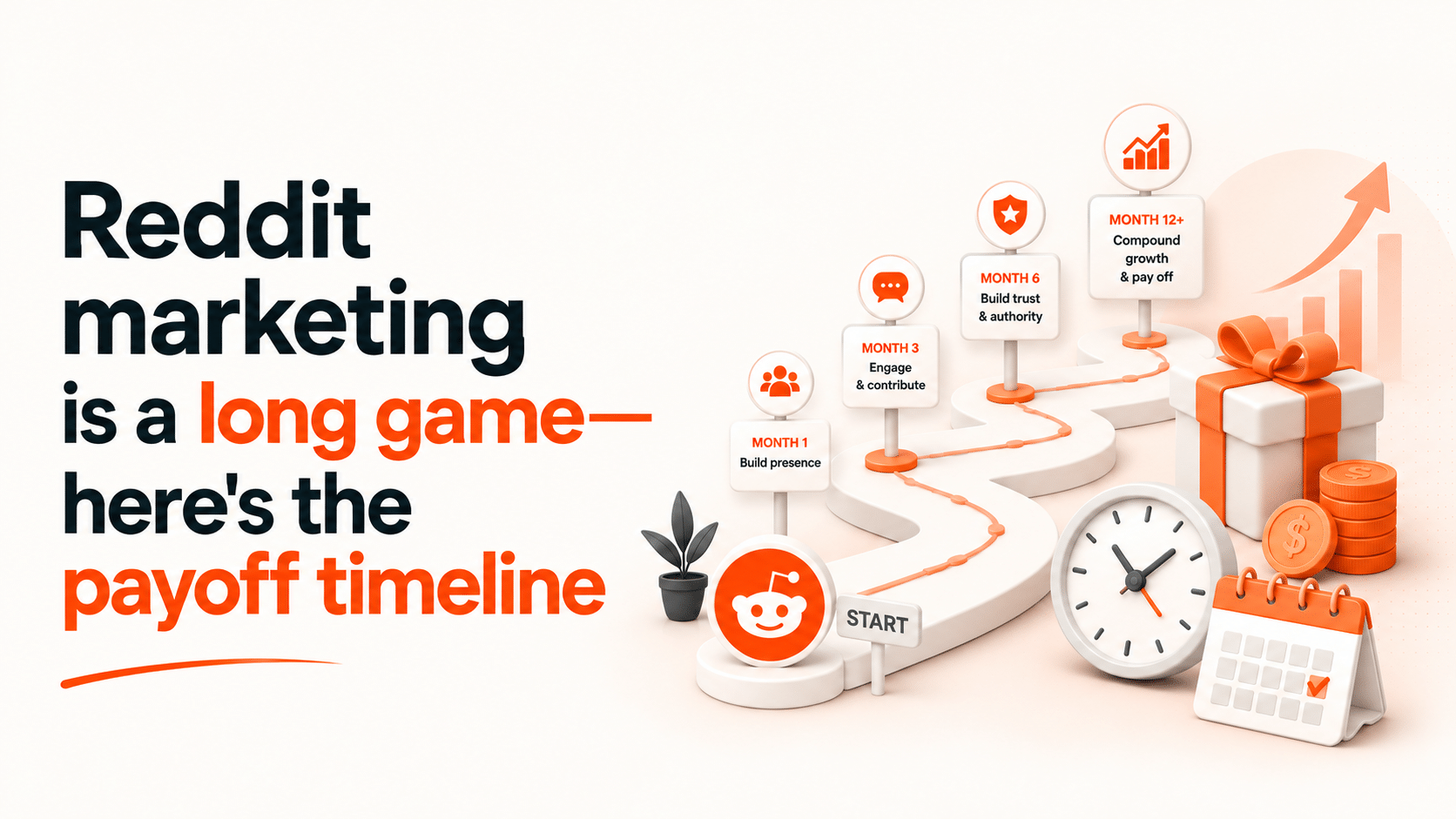
Week 1: Map the landscape. Identify 5-10 communities where your potential customers gather and ask questions. Note the rules, culture, and activity levels of each.
Weeks 2-4: Observe. Before participating, spend time understanding each community. What gets upvoted? What gets criticized? What’s the general tone?
Weeks 5-8: Begin participating. Start contributing helpful content with zero promotional intent. Build karma and reputation through genuine helpfulness.
Months 3-6: Establish presence. Continue consistent contribution. Start being recognized as a knowledgeable community member. Only occasionally mention your product where genuinely relevant.
Months 6+: Scale and optimize. Expand to additional communities. Develop more sophisticated content strategies. Build on established reputation to increase impact.
This timeline can’t be rushed. Attempting to accelerate it typically triggers spam detection and damages your reputation.
Ready to be present where buying decisions happen?
At Agence Paradis, community forum marketing is what we do. We’ve spent over three years mapping communities, building authentic presence, and helping brands show up in the conversations that matter.
Our partners in the sleep and health industries have generated over $10 million in additional revenue through strategic community presence—reaching buyers at the exact moment they’re deciding what to purchase.
Get your free community map at agenceparadis.com

Leave A Comment